Retained Primitive Reflexes
I recently attended a training course in Retained Primitive (or Primary) Reflexes. This course has really opened my mind and highlights a fascinating connection between neurodivergent conditions such as dyslexia, ADHD, and the retention of Retained Primitive Reflexes.
These reflexes are a crucial part of early brain development and should typically be integrated around 12 months of age, some closer to two or three years old. However, when these reflexes remain active, they can contribute to various developmental challenges, including those seen in neurodivergent children.
Retained Primitive Reflexes can cause ongoing challenges if they aren't integrated properly. Primitive reflexes are automatic movements that infants exhibit in response to certain stimuli, and they are essential for development in early infancy. As the brain matures, these reflexes typically integrate and become dormant. If they remain active (retained), they can interfere with motor coordination, sensory processing, emotional regulation, and cognitive function.
For children, this may manifest as difficulties in fine and gross motor skills, trouble with balance and coordination, poor handwriting, or sensory sensitivities. If the reflexes are not integrated through appropriate therapies or activities, the challenges can persist into adolescence and adulthood, potentially affecting academic performance, social interactions, emotional well-being, and other aspects of daily life.
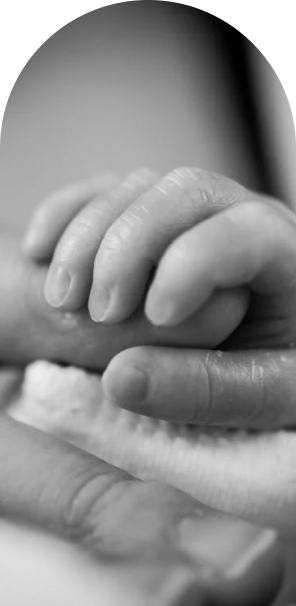
- The Moro reflex, which is triggered by sudden movements or loud sounds, can cause a heightened stress response and difficulty with emotional regulation.
- The Asymmetrical Tonic Neck Reflex (ATNR), when retained, can affect balance and coordination, leading to challenges in activities such as sports or handwriting.
- The Spinal Galant reflex may lead to difficulties with sitting still, focusing, and attention.
Proper intervention, such as specific exercises, movement therapies, and activities designed to integrate these reflexes, can help individuals overcome these challenges and improve their quality of life. The earlier the intervention, the better the chances of minimizing long-term effects. However, it's still possible to address these issues in teens and adults.
The connection between Retained Primitive Reflexes and developmental disorders such as ADHD, dyslexia, and sensory processing issues suggests that addressing these reflexes could potentially offer a new avenue for improving outcomes.
Below are some examples of developmental delays which may be due to Retained Primitive Reflexes:
- Dyslexia
- Dyspraxia
- ADHD/ADD
- Sensory processing disorder
- Learning disabilities
- Depression
- Anxiety
- Walking on tip toes
- Fussy eating
- Over clingy
- Breath holding
- Can't stand being touched
- Travel sickness
Kinesiology offers a method for identifying and integrating these reflexes by engaging the body’s central nervous system and supporting its integration with other body systems. While it’s important to manage expectations (as the conditions themselves may not be "reversed"), it is promising that these methods can lead to improvements, helping children achieve their full potential.
In essence, this approach to addressing retained primitive reflexes could provide an additional layer of support when facing developmental challenges, potentially complementing other therapeutic interventions and leading to enhanced well-being and greater ease in day-to-day life.


